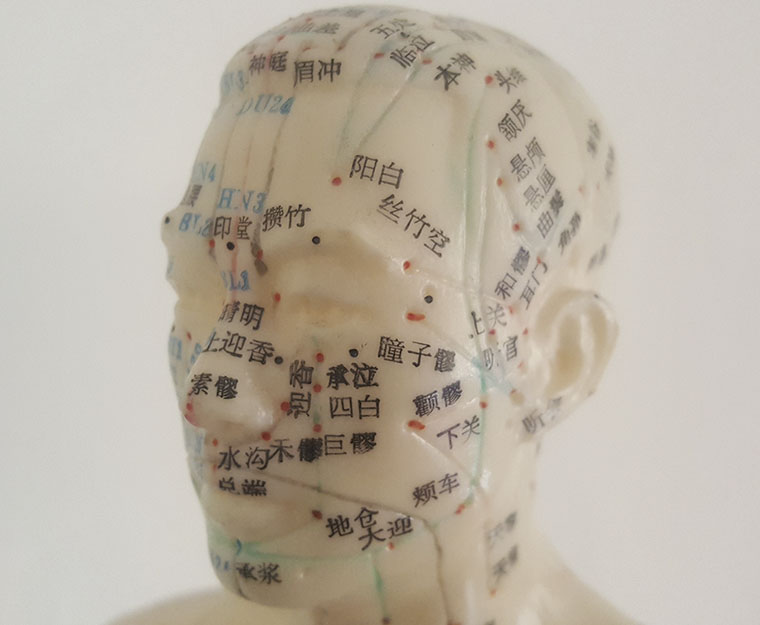
Practised for over 2,500 years in China where it originated and refined in the Far East, Acupuncture is part of the holistic system of Traditional Chinese Medicine (TCM), which views health as a constantly changing flow of energy, or Qi (pronounced "chi").
In TCM imbalances in this natural flow of energy are thought to result in disease. Acupuncture aims to restore health by improving the flow of Qi, which flows through the body via 14 primary meridians or channels, and stimulate the body's own healing response and help to restore its natural balance.
Although sometimes described merely as a means of pain relief, traditional acupuncture is actually used to treat people with a wide range of illnesses. Its focus is on improving the overall wellbeing of the patient, rather than the isolated treatment of specific symptoms.
The skill of an acupuncturist lies in their ability to make a traditional diagnosis from what is often a complex pattern of disharmony. The exact pattern and degree of disharmony is unique to each individual and so following diagnosis, the acupuncturist puts together a personalised treatment plan.
The World Health Organization published a review of controlled trials using acupuncture and concluded it was effective for the treatment of 28 conditions and there was evidence to suggest it may be effective for several dozen more.
Additionally, the National Centre for Complementary and Alternative Medicine (NCCAM) of the National Institutes of Health (NIH), the American Medical Association (AMA) and various government reports have studied and commented on the efficacy of acupuncture.